
Diyaluma Falls: Sri Lanka’s Second-Highest Waterfall – Ultimate 2026 Guide
Diyaluma Falls is a towering 220-meter cascade and Sri Lanka’s second-tallest waterfall. Located near Koslanda, an effortless trip from Ella, this highland hotspot stands out for one legendary feature: natural rock infinity pools perched at the summit. Here, you can take a cliffside dip while soaking in sweeping views of the valley far below.
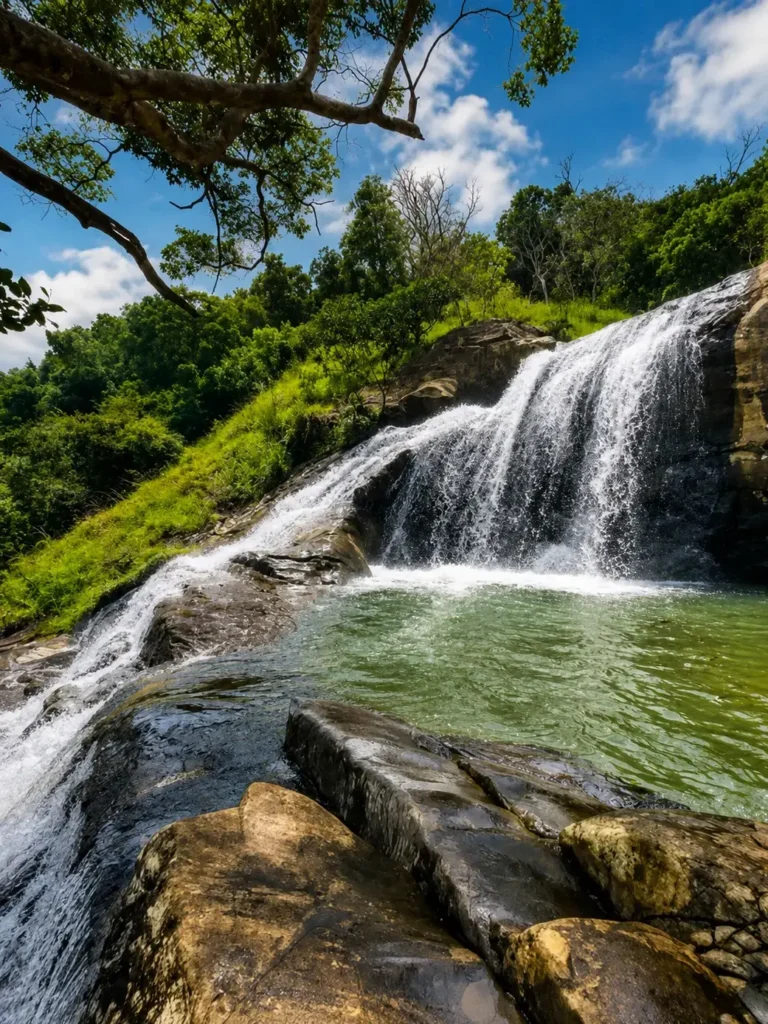
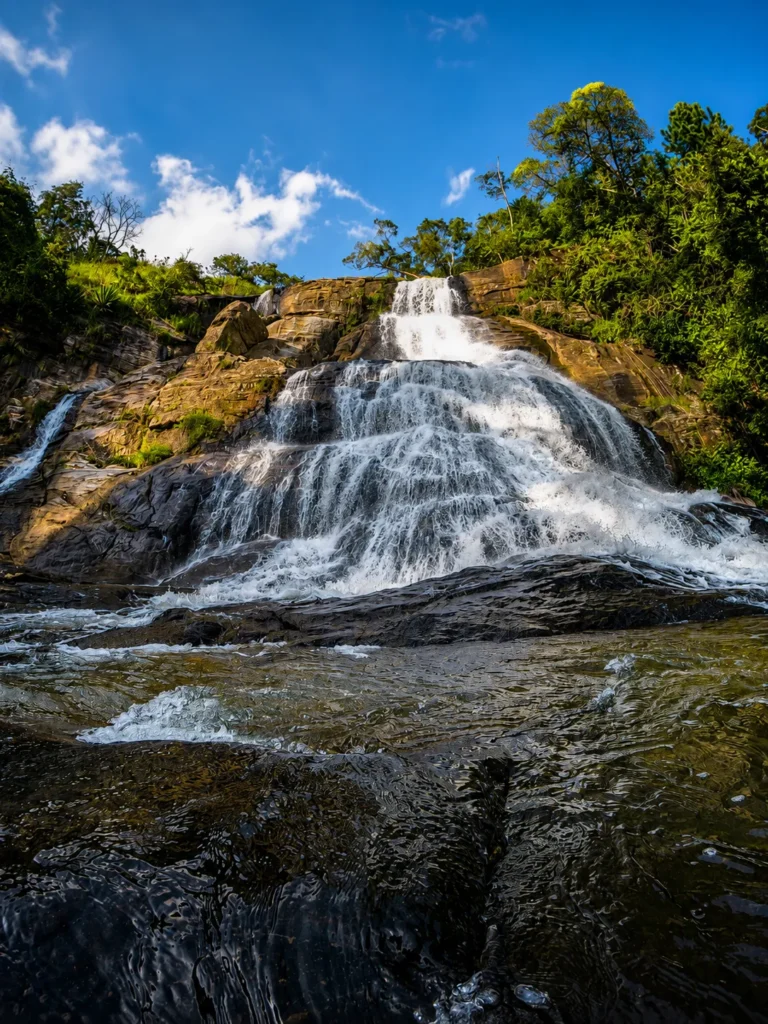
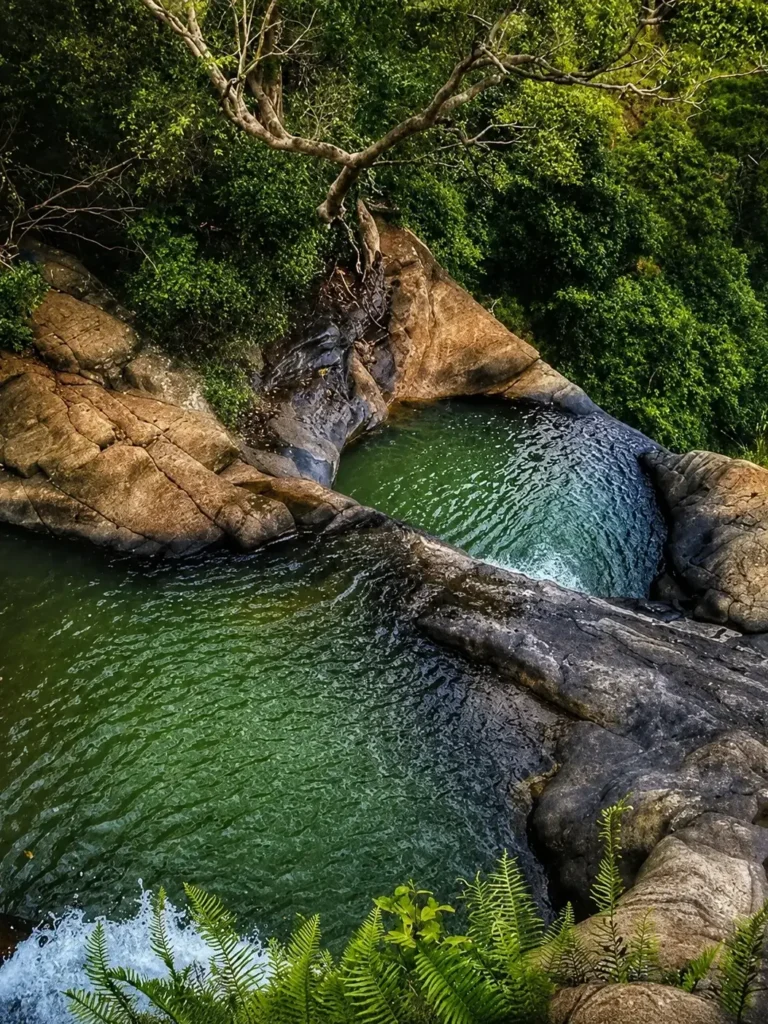
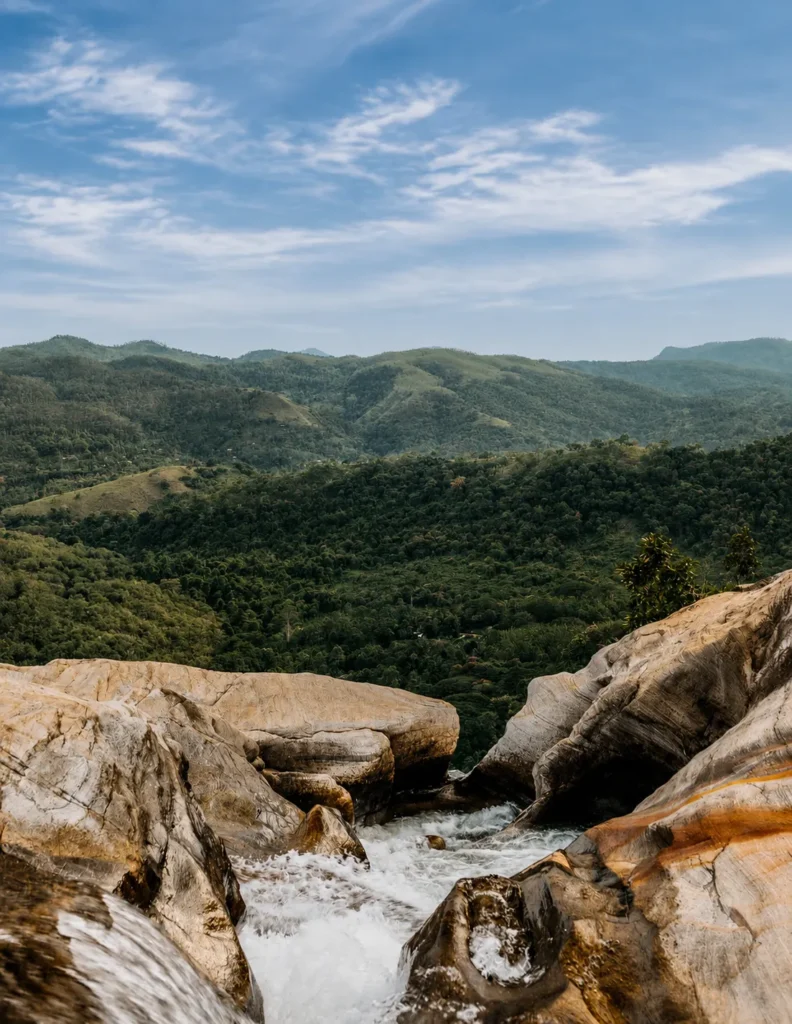
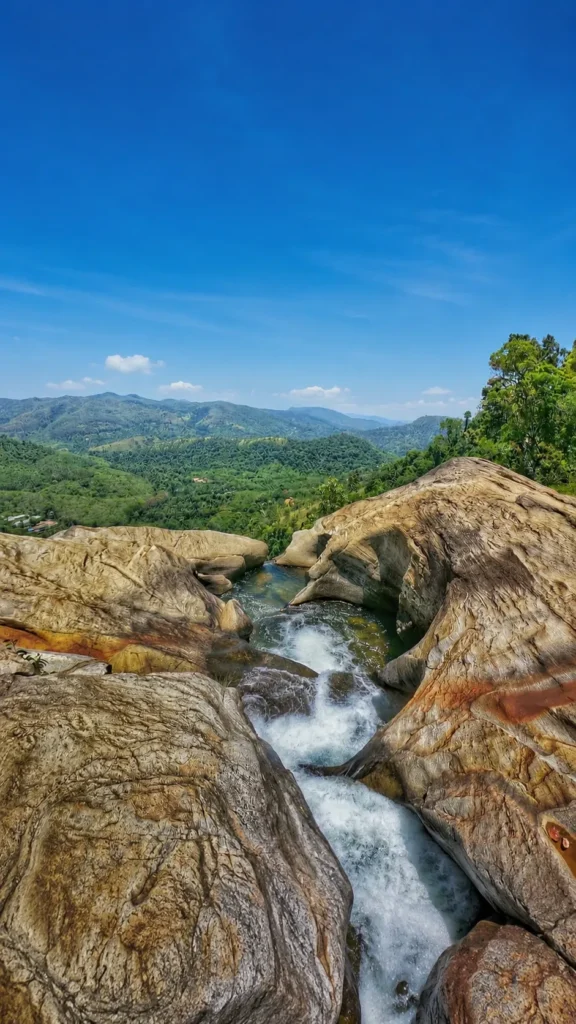
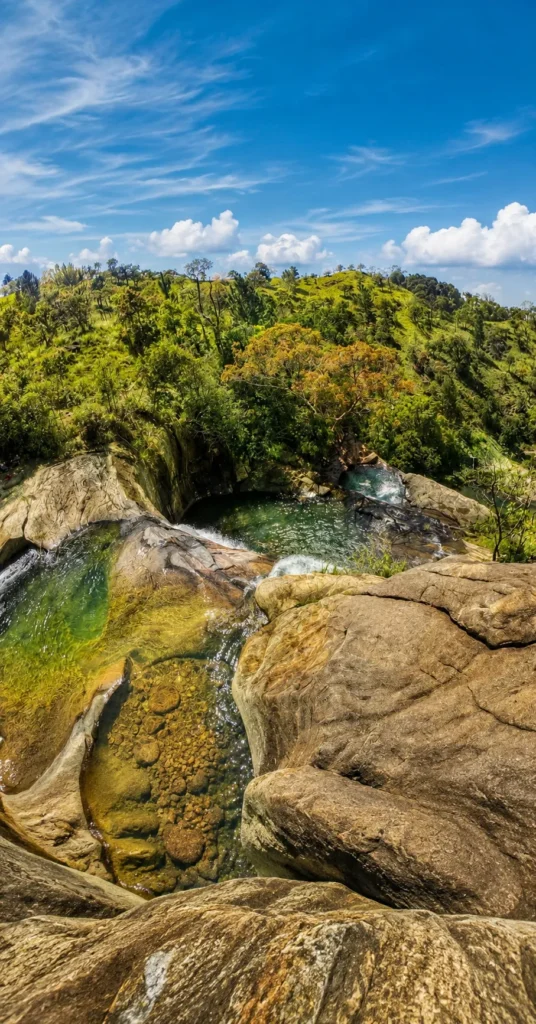
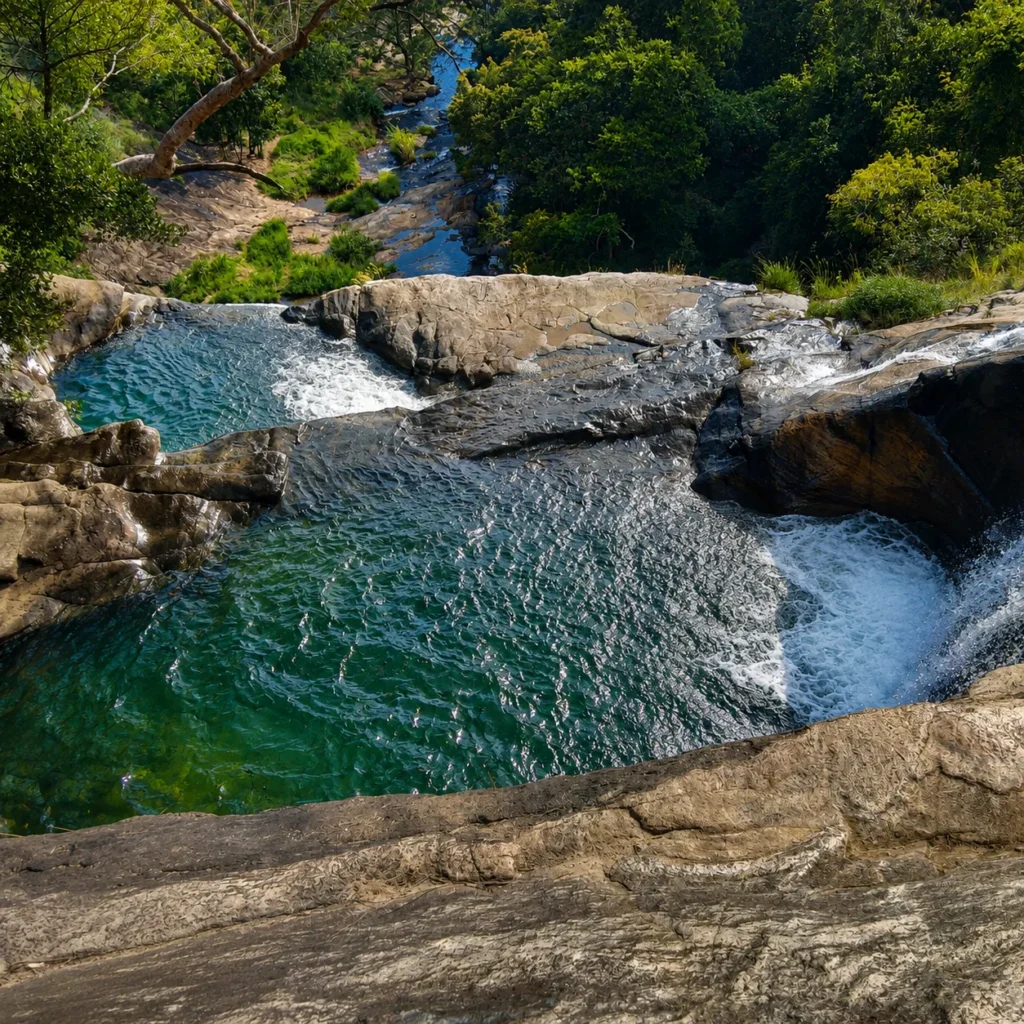
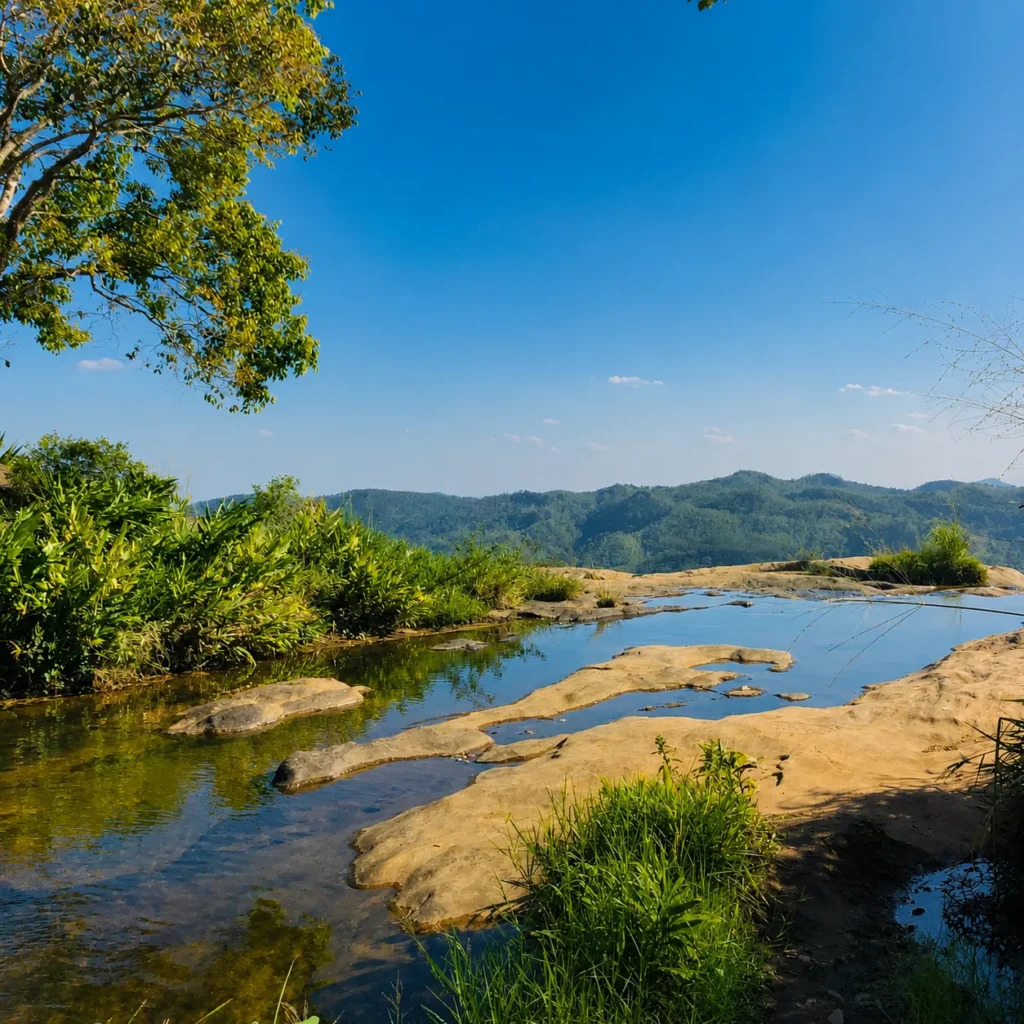
Table of Contents
- Overview of Diyaluma Falls
- History & Folklore of Diyaluma Falls
- Getting to Diyaluma Falls
- Hiking Routes to Diyaluma Falls
- Upper vs. Lower Diyaluma Falls
- Best Things to Do at Diyaluma Falls
- Best Time to Visit Diyaluma Falls
- Essential Visitor Info
- Travel Tips & Packing Travel Tips
- Photography Tips for Diyaluma Falls
- Nearby Attractions & Suggested Itinerary
- The Ultimate Diyaluma Day-Trip Itinerary
- FAQs of Diyaluma Falls
Diyaluma Falls Overview: Location, Height, and Key Highlights
Tucked away in Sri Lanka’s Uva Province, Diyaluma Falls stands as one of the island’s most awe-inspiring natural wonders. Powered by the Punagala Oya river, this sheer rock cliff sends water crashing down a massive 220-meter drop. That makes it Sri Lanka’s second-tallest waterfall, but its real magic lies in how the site is structured.
The waterfall splits into two main areas: Lower Diyaluma, where the main drop hits a deep misty basin, and Upper Diyaluma, a series of smaller cascades feeding into natural rock pools at the summit.
“Diyaluma” is a Sinhala word that means “rapid flow of water” or “liquid light.” According to local legend, the gods made the torrent to wash away the memory of a sad breakup. Today, it’s a haven for outdoor enthusiasts seeking dramatic highland views and wild cliffside swims.
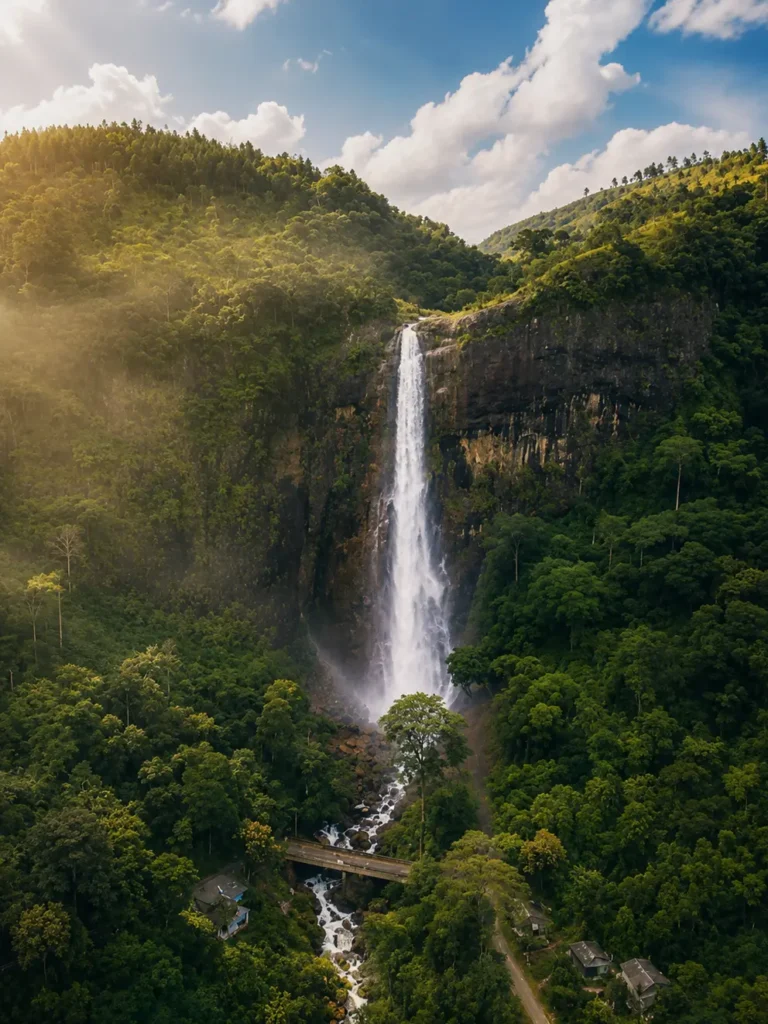
Getting there requires a quick turn off the Koslanda–Badulla road followed by a short trek through lush forest paths. The terrain is rugged, so watch out for loose rocks and slippery mud along the trails. But once you reach the top and soak in those sweeping valley vistas, you’ll quickly see why travelers consider it an absolute must-visit destination.
Latest Posts About Diyaluma Falls
- Ravana Falls vs Diyaluma Falls: 10 Things Travelers Should Know

- 25 Essential Diyaluma Falls Tips Before You Go

- Diyaluma Falls Hiking Difficulty: What First-Timers Should Know

- Best Time to Visit Diyaluma Falls: Weather Guide

History & Folklore of Diyaluma Falls: The Legend Behind the “Liquid Light”

The name Diyaluma (දිය හැලුම) derives from Sinhala folklore. Literally “daiya” (liquid) + “haluma” (light), it has been translated as “liquid light.” Legend (recorded by historian R.L. Brohier) tells of a chieftain’s doomed betrothed who fell from the cliff. Moved by pity, the gods caused the waters to veil the tragedy, “hence the term Diyaluma.” This romantic origin adds cultural depth to the falls’ mystique. No ancient temple or ruins remain on-site, but visitors often feel a sense of reverence.
Geologically, Diyaluma Falls is formed by the descent of the Punagala Oya over the high escarpment of the Badulla plateau. Over millennia, the torrent carved a sheer horsetail waterfall (one drop) through solid rock. The waterfall’s total drop is 220 m (720 ft), making it among the tallest in South Asia. (Sri Lanka’s tallest is Bambarakanda Falls at 263 m, followed by Diyaluma at 220 m.) Despite slight discrepancies in some sources (e.g., 171 m is noted as third largest on one tourism page), Wikipedia and local travel guides confirm ~220 m.
The Sri Lanka Tourism Promotion Bureau has recognized Diyaluma as a natural monument. It’s listed as a major attraction (often called “Diyaluma Ella Falls”). The site’s official brochure highlights features like deciduous plants and even reports of wild lizards in the area. It emphasizes that “during the rain, it is a spectacular view”—so for photographers, capturing the full plume after heavy rain can be rewarding, albeit slippery.
Getting to Diyaluma Falls: Best Routes & Access Points
Reaching Diyaluma Falls is straightforward, whether you’re hopping over from Ella or traveling across the island. Here’s a complete breakdown of how to get there and where to start your visit.
How to Reach Diyaluma
By Road from Ella (Most Popular)
Diyaluma is located about 40 km south of Ella. Driving through the winding mountain roads typically takes 1 to 1.5 hours.
- Tuk-Tuk or Private Taxi: Hiring a driver from Ella for a full-day round trip is the hassle-free choice. Expect to pay around LKR 9,000–12,000 for a tuk-tuk, including waiting time.
- The Route: Head toward Koslanda via the Colombo–Badulla Highway. You’ll spot clear road signs pointing toward the falls near the Poonagala Junction.
By Public Bus
If you’re on a budget, take a local bus from Ella toward Koslanda (the nearest small town, roughly 6 km from the falls). From the Koslanda bus stop, you can grab a quick local tuk-tuk ride (LKR 800–1,000) or walk uphill along the main road toward the lower viewpoints. Keep in mind that bus schedules in the hills can be unpredictable, so leave early.
From Colombo
If you’re driving up from Colombo or the southern coast, the trip takes roughly 5 to 6 hours via the A4 highway through Passara and Koslanda. Long-distance buses run to Badulla, where you can easily transfer to a local bus heading toward Koslanda.
Choosing Your Access Point
Diyaluma has two distinct entry points, depending on whether you want to swim at the summit or admire the main cascade from below:

1. Upper Falls (Poonagala Trailhead)
This location is the starting point for the famous natural infinity pools.
- The Setup: A narrow lane turns off the main road up toward the official parking area. There is a small entrance fee (around LKR 350) collected at the gate.
- The Hike: From the parking lot, a short downhill trail leads straight to the top pools. The road past the parking area turns into rough dirt, which is only passable on foot, by 4×4, or by local tuk-tuk.
2. Lower Falls (Koslanda Base)
If you want to view the massive 220-meter drop from the bottom, you don’t need to trek up into the jungle.
- The Viewpoint: Lower Diyaluma is visible right from the main Koslanda–Wellawaya road. You can park on the roadside to take photos or cross the nearby footbridge for a clean, full-length view of the cascade.
- The Trail: There is no official gate or entry fee at the base. While you can hike up to the top from here, it’s a steep, tiring climb—most visitors prefer starting at Poonagala instead.
Quick Tip: If you want the easiest experience, drive straight to the Poonagala entry point first to enjoy the upper pools, then catch the dramatic lower falls view right from the roadside on your way back out.

Hiking Routes to Diyaluma Falls
There are two primary ways to hike to the top of Diyaluma Falls: the easy downhill trail from Poonagala or the steep uphill climb from Koslanda. Here is what to expect from each route so you can choose the best path for your fitness level.
Option 1: The Poonagala Trail (Recommended Route)

This route is by far the most popular and beginner-friendly option for reaching the upper pools.
- Starting Point: The official Poonagala entrance gate / Makaldeniya Junction along Poonagala Road.
- Trail Overview: Instead of a grueling climb, this route starts at high elevation and leads you downhill for about 1 to 1.5 km through rubber trees, tall lemongrass fields, and open dirt paths.
- Duration & Difficulty: 30 to 45 minutes downhill (roughly 200–300 meters of elevation change). The trail zigzags gently, but keep in mind that the hike back up is a steady uphill workout in the tropical heat.
Option 2: The Koslanda Base Trail (Adventurous Uphill Climb)
If you prefer starting at the bottom and earning the summit with a workout, this route is the classic river gorge trail. It demands a sturdy pair of shoes as you scramble up slick boulders, weave through thick jungle foliage, and push through steep incline sections to reach the rewarding cliffside pools above.
- Starting Point: Near the main highway at the base of the falls (Punagala Oya stream crossing).
- Trail Overview: This route heads straight uphill along a rocky rubble path through the jungle. It is noticeably steeper, uneven, and prone to muddy patches after rain.
- Duration & Difficulty: 45 to 60 minutes of solid uphill trekking. While local rumors occasionally mention wild elephants in the surrounding hills, actual sightings along the main path are rare. However, the trek can be exhausting, so carry plenty of water.
Trail Conditions & What to Expect
- Terrain: Both paths involve loose gravel, exposed roots, and slippery granite rocks near the water. Sturdy trail shoes or grippy water sandals are essential—flip-flops are a recipe for slipping.
- Signage: Navigation once you get close to the river is informal. You’ll rely on worn footpaths, painted rock markers, or the sound of the cascading pools.
- Heat Factor: The highland humidity builds up quickly. Midday trekking can be draining, so aim for an early morning start (around sunrise) to beat the heat and avoid late afternoon rain showers.
Planning your first trek? Read our detailed guide on Diyaluma Falls hiking difficulty for first-timers to learn what to expect on the trail.

Local Guides & Pricing
While hiring a guide isn’t legally mandatory, having a local show you the hidden jump spots and safest footings around the cliff edges adds an extra layer of confidence.
- Hiring locally (Poonagala or Koslanda): Local village guides wait near the trailheads and typically charge around LKR 1,500 to 2,000 for the trek.
- Full-day guided tours from Ella: Booking a private driver/guide out of Ella usually costs around LKR 10,000 – 12,000, which includes round-trip transport and guided navigation at the falls.
- Safety Tip: Cell service drops in the gorge. If hiking independently without a guide, always let your guesthouse know your planned return time.
Looking for a step-by-step route map? For detailed trail markers, GPS navigation points, and safety advice for the top pools, check out our full guide on How Do I Get to the Top of Diyaluma Falls?.
Latest Posts
- Ravana Falls vs Diyaluma Falls: 10 Things Travelers Should Know
- 25 Essential Diyaluma Falls Tips Before You Go
- Diyaluma Falls Hiking Difficulty: What First-Timers Should Know
- Best Time to Visit Diyaluma Falls: Weather Guide
- Ravana Falls, Sri Lanka: Complete Guide 2026
- Diyaluma Falls Infinity Pool: Everything You Need to Know
Upper vs. Lower Diyaluma Falls: What’s the Difference?
Planning your trip to Diyaluma? Keep in mind that Upper Diyaluma and Lower Diyaluma offer totally different vibes. Whether you are looking for cliffside swimming or roadside photo ops, understanding what to expect at each stop makes all the difference. Read our side-by-side comparison of Upper vs. Lower Diyaluma Falls to plan your visit smoothly

Lower Diyaluma (The Main 220m Drop)

Lower Diyaluma is the dramatic, single-drop horsetail fall you see on most Sri Lankan postcards. Here, the river plunges straight down a black granulite cliff face into a deep, misty gorge below.
The Base Experience
- The Vibe: A massive, jaw-dropping viewpoint focused on grand scenery and photography.
- Accessibility: Located right near the main road near Koslanda, the base gives you a full perspective of the waterfall’s sheer height without requiring a long hike.
What to Expect at the Bottom
Standing at the base, you will immediately feel the thunderous spray of the water crashing against the rock. It’s an ideal spot for wide-angle landscape shots and drone photography.
While there is a small plunge pool at the bottom, swimming here isn’t recommended. The heavy falling water creates powerful downdrafts, making the current dangerously unpredictable, especially during the monsoon season.
Instead, most travelers use the bottom viewpoint as a quick, majestic photo stop. You can admire the full 220-meter drop from the nearby footbridge, grab a fresh king coconut from a roadside stall, and simply marvel at the raw power of nature.
Upper Diyaluma (Infinity Pools & Natural Slides)
Located high above the main precipice, Upper Diyaluma is a hidden playground of tiered rock pools, smaller cascades, and river paths. It is widely considered the absolute highlight of any visit to Diyaluma Falls.
The Vibe
Expect wild adventure, cliffside lounging, and unforgettable natural swimming. The atmosphere up top is raw, open, and surrounded by lush mountain scenery.
What to Expect
This upper stretch is where you’ll find Sri Lanka’s famous natural infinity pools. The lowest pool sits right at the edge of the sheer 220-meter cliff face. Floating in its cool mountain water offers uninterrupted, heart-pounding views stretching clear across the valley floor below.
If you want to escape the main crowds, simply hike a few minutes further upstream. The upper river channel opens into deeper swimming holes surrounded by smooth granite. Over centuries, the rushing river has polished these rock faces, creating natural waterslides that plunge into clear, refreshing basins.
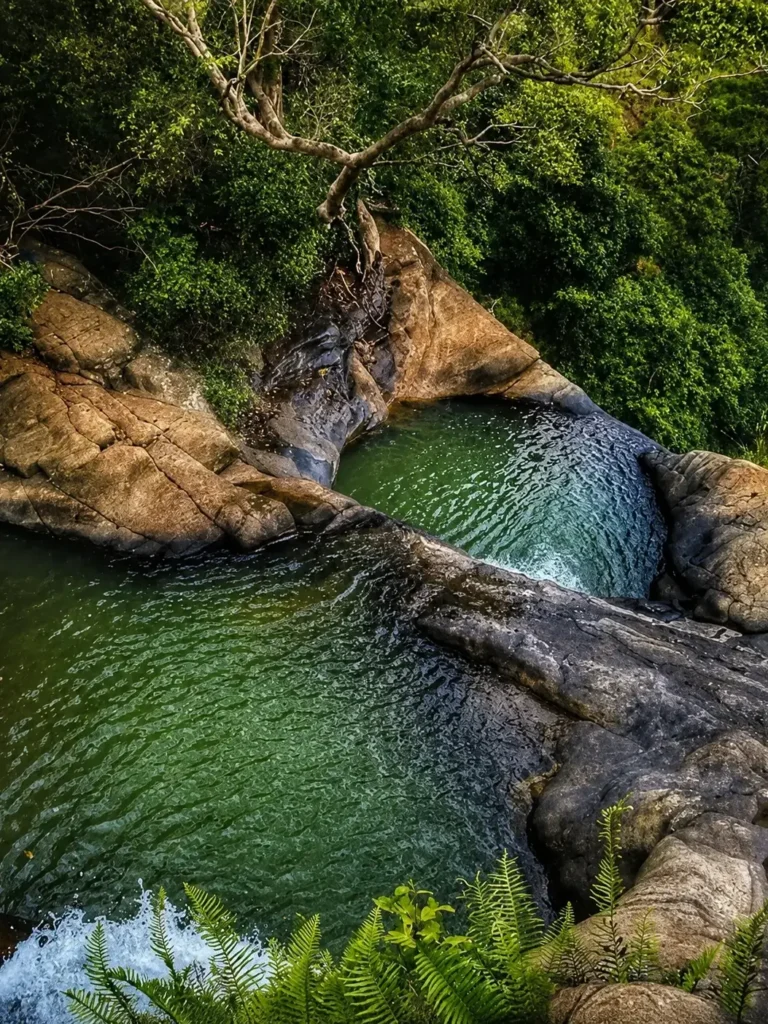
Whether you want an adrenaline rush or a relaxing swim above the clouds, Upper Diyaluma delivers a truly unmatched highland experience.
Quick Comparison: Which Should You Visit?
| Feature | Lower Diyaluma | Upper Diyaluma |
| Primary Attraction | 220m dramatic single-drop fall | Tiered natural infinity pools |
| Best For | Roadside photos & grand views | Swimming, cliff views & exploring |
| Accessibility | Direct roadside / zero hiking | 15–20 minute highland hike |
| Effort Level | Very Easy | Moderate |

The Verdict: How to Combine Both
Think of Lower Diyaluma as the grand spectacle and Upper Diyaluma as the adventure. Most travelers start at the top by parking at Poonagala, spending a few hours swimming in the upper cascades, and then heading down to the lower road for iconic photos of the full drop from below.
For a complete breakdown on hiking routes, trail maps, and safety tips between both spots, check out our detailed Diyaluma Falls Upper vs. Lower: Essential Guide.
Best Things to Do at Diyaluma Falls
From adrenaline-pumping cliff jumps to serene swims high above the clouds, Diyaluma offers far more than a typical waterfall visit. Here is how to make the most of your time at the site:
1. Swim in the Natural Infinity Pools

This is the main event. At Upper Diyaluma, nature has carved out smooth, natural rock pools perched right at the precipice of the 220-meter drop. It offers one of the most exciting cliffside swims in all of Sri Lanka. Reaching the summit rewards travelers with breathtaking panoramic views over the lush Uva highlands. The tiered rock formations naturally form separate swimming spots, giving you multiple angles of the misty valley below. Floating in these mountain waters feels like sitting on the edge of the world.
- The Experience: Taking a dip here while looking out over the endless green valley is unforgettable. During the dry season, the water is calm and ideal for a peaceful soak in the upper pools.
- Safety First: Always test the currents and water depth before wading in. Flash floods and strong underwater currents can develop quickly after sudden rainfall. Non-swimmers and young children should stick strictly to the shallow, inland pools well away from the main cliff edge.
- Best Time to Visit: Arrive early in the morning for calm waters, cooler temperatures, and fewer crowds. The late afternoon light also creates magnificent photo opportunities as the golden sun lights up the open valley below.
2. Try Cliff Jumping & Natural Rock Slides
If you’re seeking a bit of an adrenaline rush, the upper tier has you covered:
- The Cliff Jump: There’s a popular 7-meter cliff jump into a deep, natural rock basin that thrill-seekers love.
- The Rock Slide: Over time, the rushing water has worn down smooth channels in the stone, creating natural water slides that launch you straight into the lower pools.
- Pro Tip: Before jumping or sliding, always ask a local guide or check the water yourself for hidden rocks and submerged debris.
3. Capture Epic Mountain Panoramas
Diyaluma is a dream location for photographers, offering several stunning angles:
- The Base Viewpoint: Head to the footbridge near the Koslanda road to frame the entire vertical 220m drop in a single shot.
- The Summit Ledge: Capture early morning light or sunset glow from the top, looking out across the Uva highlands.
- Long-Exposure Shots: The tiered cascades provide excellent opportunities for silky long-exposure water photos.
- Gear Note: Keep your gear in a dry bag—the mist coming off the main fall is surprisingly intense!
Looking for more visual inspiration for your trip? Be sure to check out our complete Diyaluma Waterfall Photo Gallery for an exclusive look at the upper swimming spots, scenic valley vistas, and dramatic roadside views.
4. Unwind on the Sun-Warmed Rocks
You don’t need to be swimming or jumping to enjoy the summit. Spread a towel over the wide, flat rock slabs surrounding the upper pools and simply soak up the atmosphere. Listening to the thunderous roar of the falls while relaxing high above the valley floor is one of the most serene experiences in Sri Lanka’s hill country.
5. Connect with the Local Community
You’ll often run into friendly local youths and guides around the upper pools. They are usually eager to share stories, point out safe swimming spots, or give advice on the best photography angles. Chatting with locals often turns out to be one of the most memorable parts of the visit.
6. Keep an Eye Out for Wild Encounters
The dense jungle surrounding the falls is packed with wildlife:
- Birdlife & Reptiles: Expect to spot vibrant highland birds, junglefowl, and large monitor lizards sunbathing on the mossy rocks.
- Wild Elephants: Elephants are known to roam the forest corridors in the Uva region, especially during the late afternoon. Plan to wrap up your hike and head down the trail before dusk to avoid any unexpected wildlife encounters.
Bonus Stop: Visit Nearby Ravana Falls

If you have extra time on your journey back toward Ella, make a quick stop at Ravana Falls. Located just off the main road, this massive three-tiered cascade is completely different in style—much wider, easily accessible, and tied to ancient Ceylonese mythology. It’s the perfect addition to a full-day waterfall tour.
Standing around 25 meters high, the roaring cascade tumbles over jagged limestone rocks, surrounded by dense jungle growth. According to local legend, King Ravana hid Princess Sita in the caves hidden directly behind the roaring water.
Safety Warning: The rocks around the base are extremely mossy and slippery. Strong undercurrents make swimming unsafe, so stick to the paved viewing platforms and enjoy the views from a safe distance.
Roadside Convenience: Unlike upper hiking trails, Ravana Falls sits right beside the highway. You can park nearby, grab fresh coconut water from local stalls, and snap gorgeous photos without taking a long trek.
Best Time to Visit: Stop by during the late afternoon on your return trip. The lighting on the rocks is gorgeous, and the cool mist provides a refreshing breeze after a hot day of hiking.
Best Time to Visit Diyaluma Falls: Seasons & Daily Timing
Diyaluma Falls sits on the eastern slopes of Sri Lanka’s central highlands in the Uva Province. Because tropical weather can shift quickly here, timing your trip right makes the difference between a safe, sunny dip in the infinity pools and dealing with slippery trails or dangerous water levels.
Season-by-Season Breakdown
1. Peak Dry Season (January – April & July – September) — Best Experience
These are the prime months to visit. The weather is generally clear, trails are dry, and the water level is ideal for swimming.
- January to March is the sweet spot: the water flow remains impressive right after the monsoons, making for incredible photos while keeping the rock pools safe and calm.
2. Shoulder Months (May – June)
During these mid-year months, the southwest monsoon affects the west coast, but Uva Province gets lighter showers. Temperatures hover around 30–32°C. It can be humid, but the trails are accessible, and the crowds are smaller.
3. Monsoon & Wet Season (October – December) — Exercise Caution
The northeast monsoon hits Uva Province hard during late autumn.
- Heavy Rainfall: Water volumes surge dramatically, creating powerful, unpredictable currents.
- Trail Conditions: Pathways turn into muddy, slick slides, and flash flooding in the Punagala Oya river is a real risk. Swimming in the upper infinity pools during November and December is strongly discouraged.

What Time of Day Should You Go?
- Aim for early morning (start around 7:30 AM – 8:00 AM).
- Why early? Morning light illuminates the cascade beautifully before the afternoon sun gets too intense. Plus, afternoon thundershowers are common in the hills, and wild elephants are occasionally spotted near the jungle trails later in the day.
- Plan to complete your hike and head back down by early afternoon for the safest, most comfortable trip.
Essential Visitor Info: Facilities & Entrance Fees
Diyaluma Falls offers a wild, pristine natural experience—which also means amenities on-site are minimal. Here is what you need to know about fees, parking, and staying prepared before you go.
Entrance Fees & Ticketing
- Upper Diyaluma Pools (Poonagala Gate): There is an official entry fee of approximately LKR 350 per person (around $1.20 USD). This ticket helps support trail upkeep and basic site maintenance.
- Lower Diyaluma Base (Koslanda): Viewing the main falls from the roadside or lower bridge area is completely free, as there is no official gate or entrance fee at the base.
Key Amenities & Facilities
- Parking: The Poonagala trailhead features a small gravel parking area. It’s free, but space is limited and fills up fast during peak hours and weekends—plan to arrive early. At the lower falls, you’ll find limited roadside parking along the Koslanda highway.
- Restrooms: Basic, simple toilet facilities are available near the Poonagala trailhead before you hit the path. There are no restrooms along the hiking trail or at the summit pools.
- Food & Drinks: You won’t find any shops, cafes, or stalls once you leave the main road. Pack plenty of water (at least 2 liters per person) and bring snacks in your bag. An insulated water bottle is a lifesaver in the highland heat.
- Nearby Services: The closest towns for ATMs, mini-marts, and proper restaurants are Koslanda (a short drive away) or Ella, which serves as the primary base camp for most travelers in the region.
Safety & Preparation Checklist

Because the area remains largely undeveloped, self-sufficiency is key for a safe trip:
Pack It Out: Diyaluma’s natural beauty depends on visitor care. Always take your trash back out with you to keep the trails and pools clean.
Mobile Signal: Coverage near the pools and along the ravine can be patchy at best.
First Aid & Guides: There are no medical stations on-site. It’s smart to carry a basic personal first-aid kit. While the trail is manageable on your own, hiring a local guide is a great way to navigate the trickier rock paths safely.
Travel Tips & Packing List for Diyaluma Falls
To get the most out of your trip to Diyaluma—and stay safe while navigating wet, slippery terrain—a bit of preparation goes a long way. Here is everything you should pack and keep in mind before heading out.
What to Wear & Pack
Clothing & Footwear
- Quick-Dry Apparel: Wear lightweight, breathable clothes. Bring swimwear or shorts if you plan to jump into the upper rock pools.
- Light Rain Jacket: Mountain weather in the highlands can shift quickly, so keep a light rain coat or poncho handy for sporadic showers.
- Grip-Focused Footwear: Wear sturdy sneakers or hiking shoes for the dirt trails. Bring water shoes or sandals with strong rubber grip for walking on wet, mossy river rocks.
Protection & Essentials
- Sun & Bug Protection: Bring a hat, sunglasses, reef-safe sunscreen (to keep the natural pools clean), and bug spray for the forested parts of the trail.
- Hydration & Snacks: Pack at least 2 to 3 liters of water per person, along with high-energy snacks like fruit, nuts, or energy bars. There are no shops at the top pools.
- Day Pack Must-Haves: A microfiber towel, wet wipes, hand sanitizer, and a basic first-aid kit.
Electronics & Gear
- Water Protection: A dry bag or waterproof phone pouch is essential to protect your electronics from heavy mist and accidental splashes.
- Camera Equipment: Bring a wide-angle lens or action camera to capture the sheer size of the waterfall, plus a power bank for backup battery power.
- Headlamp or Flashlight: Essential if your hike runs late or you’re catching an early sunrise.
Key Visiting Rules & Etiquette
- Tipping: If you hire a local guide or driver from Ella or Koslanda, a small tip is customary and greatly appreciated.
- Bring Local Cash (LKR): Bring small bills in Sri Lankan Rupees. Card payments are not accepted at the parking gates, local stalls, or by tuk-tuk drivers.
- Leave No Trace: Always carry out all trash, including plastic bottles and food wrappers. Keep the pristine rock pools spotless for future visitors
- Respect the Site & Locals: Keep noise levels down near the water—this scenic landmark is valued by the local community. Always ask for permission before taking photos of local villagers.
Photography Tips for Diyaluma Falls

Diyaluma is a genuinely photogenic spot, and a little planning can make a big difference in your shots.
- Best time of day: Early morning or late afternoon light gives the softest, most flattering conditions, and also helps you avoid the harshest midday sun. Sunset from the top of the falls, looking out over the valley, is a favorite among visitors.
- Best vantage points: The roadside view gives you the classic full-height shot of the lower falls. From the top, you can capture the pools with the valley stretched out behind them — a shot that reads as much larger and more dramatic than it looks in person, so don’t be afraid to get low and use the pools as foreground interest.
- Long exposure shots: If you have a tripod and an ND filter, a long exposure of the main drop can turn the falling water into that smooth, silky effect popular in waterfall photography. This works especially well from the roadside vantage point looking at the lower falls.
- Drone photography: Drones can capture some of the most striking images of Diyaluma, showing the full scale of the falls and the surrounding valley. That said, drone use may be restricted or require permission in certain areas, so check current local rules before flying, and always prioritize other visitors’ privacy and safety.
- People-in-frame shots: Because the pools sit right at a dramatic edge, they naturally lend themselves to the kind of “person standing at the edge of the world” shot that performs so well on Pinterest and Instagram. Just be extremely cautious about how close anyone gets to the actual edge for the sake of a photo — this is exactly the kind of spot where accidents happen when people prioritize a shot over their safety.
Nearby Attractions & Suggested Itinerary
Combining your visit to Diyaluma Falls with nearby hill country highlights is the best way to make a full day of your trip. Here are the top spots to explore along the route, along with a tried-and-tested day-trip itinerary.
Best Attractions Nearby
Lipton’s Seat

Scenic tea estate viewpoint with breathtaking panoramic mountain views.
Bambarakanda Falls

Visit Sri Lanka’s tallest waterfall surrounded by lush forest scenery.
Ella Rock

Challenging hike rewarded with unforgettable views of Ella’s green valleys.
Little Adam’s Peak

Easy scenic hike with stunning sunrise and sunset mountain panoramas.

Adisham Bungalow

Historic monastery featuring peaceful gardens and colonial architecture.
Nine Arches Bridge

Famous colonial railway bridge set amid lush jungle and tea estates.
Bogoda Wooden Bridge

Discover Sri Lanka’s oldest wooden bridge beside a tranquil stream.
Poonagala Viewpoint

Spectacular viewpoint overlooking rolling tea plantations and misty hills.
The Ultimate Diyaluma Day-Trip Itinerary
Plan on a 6 to 8-hour total excursion (including travel time) to get the absolute most out of your visit without rushing.
- 4:00 PM – Return to Ella: Arrive back in town with plenty of time to relax, grab a hot shower, and unwind at a local café.
- 7:00 AM – Early Departure: Leave Ella early to beat the afternoon heat and crowd. Drive south toward the Poonagala trailhead.
- 8:30 AM – Upper Pools Hike & Swim: Take the short 30 to 45-minute trail down to Upper Diyaluma. Spend a couple of hours swimming in the natural infinity pools and enjoying the views over the valley.
- 11:30 AM – Base Views & Photos: Head down toward the main roadside viewpoint to admire the massive 220-meter lower drop from below and snap some full-scale photos.
- 1:00 PM – Lunch: Enjoy a packed picnic lunch by the rocks or grab a bite at one of the small local eateries near the falls.
- 2:30 PM – Ravana Falls Pitstop: On your drive back toward Ella, stop at Ravana Falls for a quick coconut water break and a final look at the cascades.
FAQs of Diyaluma Falls
-
What is the height of Diyaluma Falls?
Diyaluma Falls has a total drop of about 220 meters (720 ft), making it Sri Lanka’s second-highest waterfall.
-
Where exactly is Diyaluma Falls?
It’s in the Badulla District, Uva Province, Sri Lanka—about 6 km east of the town Koslanda on the main highway and roughly 39.7 km south of Ella.
-
How do I get to Diyaluma Falls from Ella?
The easiest way is by hiring a tuk-tuk or car: a 1.5–2 hour drive via Koslanda. Public buses run to Koslanda from Ella (then a short taxi/trek). Many travelers use a tuk-tuk (≈LKR 9,000–12,000 one-day rental).
-
How long is the hike at Diyaluma Falls?
The main hike (from the base to the top pools) is steep and takes ~45–60 minutes one way. The trail from Poonagala to TopTop is shorter (~30–45 min downhill). Allocate 3–4 hours total for walking Poonagala tank.
-
Can I swim at Diyaluma Falls?
Yes, there are multiple natural rock pools ideal for swimming. The highlight is the infinity pools at the cliff edge (upper falls). They are safe in dry season, but always check depth first and never swim under the powerful main cascade.
-
Is Diyaluma Falls dangerous?
It can be if precautions are ignored. The rocks get very slippery when wet. There are no lifeguards, and a fall from the cliff is fatal. Stay within marked areas, supervise children, and avoid swimming after heavy rain.
-
Do I need a guide to visit Diyaluma Falls?
Not legally, but recommended for first-timers. The trails are rugged. An experienced guide (or at least an informed driver) can help navigate the trails and ensure safety. However, many independent travelers hike alone.
-
What is the entrance fee?
To access the upper waterfall trail (Poonagala), it costs about LKR 350 per adult. (There is no fee if you approach from the lower trail at Koslanda.)
-
Are there toilets or shops at the falls?
Only basic pit toilets at the Poonagala parking area. No shops or vendors beyond the parking lot. Bring water and snacks with you, as the nearest stores are 20+ minutes away.
-
What is the best time of year to visit?
The dry season (January–April and July–September) is ideal. These months have sunny weather and moderate water flow. The northeast monsoon (Nov–Jan) can make the hike very muddy and the falls violently full.
-
What time of day is best?
Early morning is best; the weather is cooler, and the site is less crowded. Furthermore, elephants (rarely) are more likely in late afternoon. Try to finish by mid-afternoon.
-
Is Diyaluma Falls family-friendly?
The upper pools area is family-friendly for short swims. The hike, however, involves steep sections and river crossings, so it may be challenging for very young children or those with limited mobility.
-
Are there wild animals at Diyaluma Falls?
The area is home to wildlife like birds and lizards. There have been rare sightings of elephants (locals say very seldom). No big predators. Stay alert in forests and do not hike alone at dusk.
-
Can I camp at Diyaluma Falls?
Officially no. The terrain and wildlife make camping impractical. It’s safer to return to nearby towns (like Ella) to sleep.
-
How long should I plan for the visit?
A full day trip is recommended. Include travel time from Ella (~1.5 h each way) plus 3–5 hours at the falls (hiking + breaks). If short on time, half-day morning trips from Ella are possible but rushed.
-
What should I wear/bring?
Wear quick-dry clothing. Bring water-resistant sandals or water shoes (for the pools) and sturdy shoes for hiking. Pack sunscreen, insect repellent, a rain jacket, and a dry bag for electronics. (See our detailed Packing List.)
-
Is swimming in Diyaluma Falls safe?
When water levels are normal, yes – the pools are generally calm. Never swim directly under the falls’ plunge. Always enter feet first, and be cautious of the current. Do not swim if the water is brown (indicating recent heavy rain).
-
Are there changing rooms at the falls?
No. Swimsuits are fine to wear, but realize you’ll be in a public natural space. Some visitors use a sarong or quick-dry towel to change discreetly.
-
Where to stay near Diyaluma Falls?
The best base is Ella, a backpacker-friendly town 40 km north. Ella has guesthouses and hotels for families too. Poonagala or Koslanda has no tourist lodging.
-
Can I visit Diyaluma independently or need a tour?
You can visit independently. Most drivers can drop you at Poonagala and pick you up later. Organized tours from Ella or Haputale also run daily for convenience.
-
Is it worth it to see Diyaluma at night?
No, the site is inaccessible after sunset (no lights), and the trails are dangerous. Always plan daytime visits.
-
What wildlife might I see?
Apart from possible elephants or monkeys (rarely), expect birds, squirrels, and lizards near the pools. Deer or wild boar are occasionally seen in the forests. Don’t feed any animals.
-
How clean/maintained is the site?
The official trail and viewing area are moderately clean. Sri Lanka tourism is improving waste bins. However, litter does occur (unfortunately, toilet paper or wrappers), as noted by hikers. Please pack out what you bring in.
-
Is there cell phone reception?
Coverage is very patchy. Don’t rely on phone navigation or emergency calls. Inform friends/hotel of your plans before leaving.
-
What if I get injured?
No on-site medical help. If serious, carry a first-aid kit and, if possible, travel with a guide/vehicle. The nearest clinic is in Ella (ambulance hotline 1990) or the Badulla Hospital. Travel insurance is recommended.
-
Can I drive all the way up?
You can drive to the Poonagala parking area. Beyond that, only pedestrian access. The road is a 4×4 track to the very top (few actually use it). No parking allowed at the trailhead by the pools themselves.
-
Can vehicles reach Lower Diyaluma?
No. The lower base is off the main road with only footpath or scooter access. The motorcycle path is not recommended for cars. Visitors reach it by hiking down from Poonagala or hiking up from Koslanda.
-
Is there a best viewpoint on the way?
Yes, a small bridge on the highway (just 2 km north of the Koslanda turnoff) offers a full side view of the entire falls. This is a good spot for a quick stop (no hiking required).
-
Are backpacks/large bags allowed?
Yes, but keep loads light. The steeper trail sections become much harder with heavy bags. Many leave non-essentials locked in vehicles.
-
What accommodations are in Ella?
Many travelers recommend the Hangover Hostels for budget, Pinnacle Ella for mid-range, and 99 Acres for luxury. (Book in advance in high season.)
More About Diyaluma Falls
- Ravana Falls vs Diyaluma Falls: 10 Things Travelers Should Know
- 25 Essential Diyaluma Falls Tips Before You Go
- Diyaluma Falls Hiking Difficulty: What First-Timers Should Know
- Best Time to Visit Diyaluma Falls: Weather Guide
- Ravana Falls, Sri Lanka: Complete Guide 2026

- Diyaluma Falls Infinity Pool: Everything You Need to Know
